THINK you’ve seen all there is to see around Malacca’s Jonker Street area? Think again.
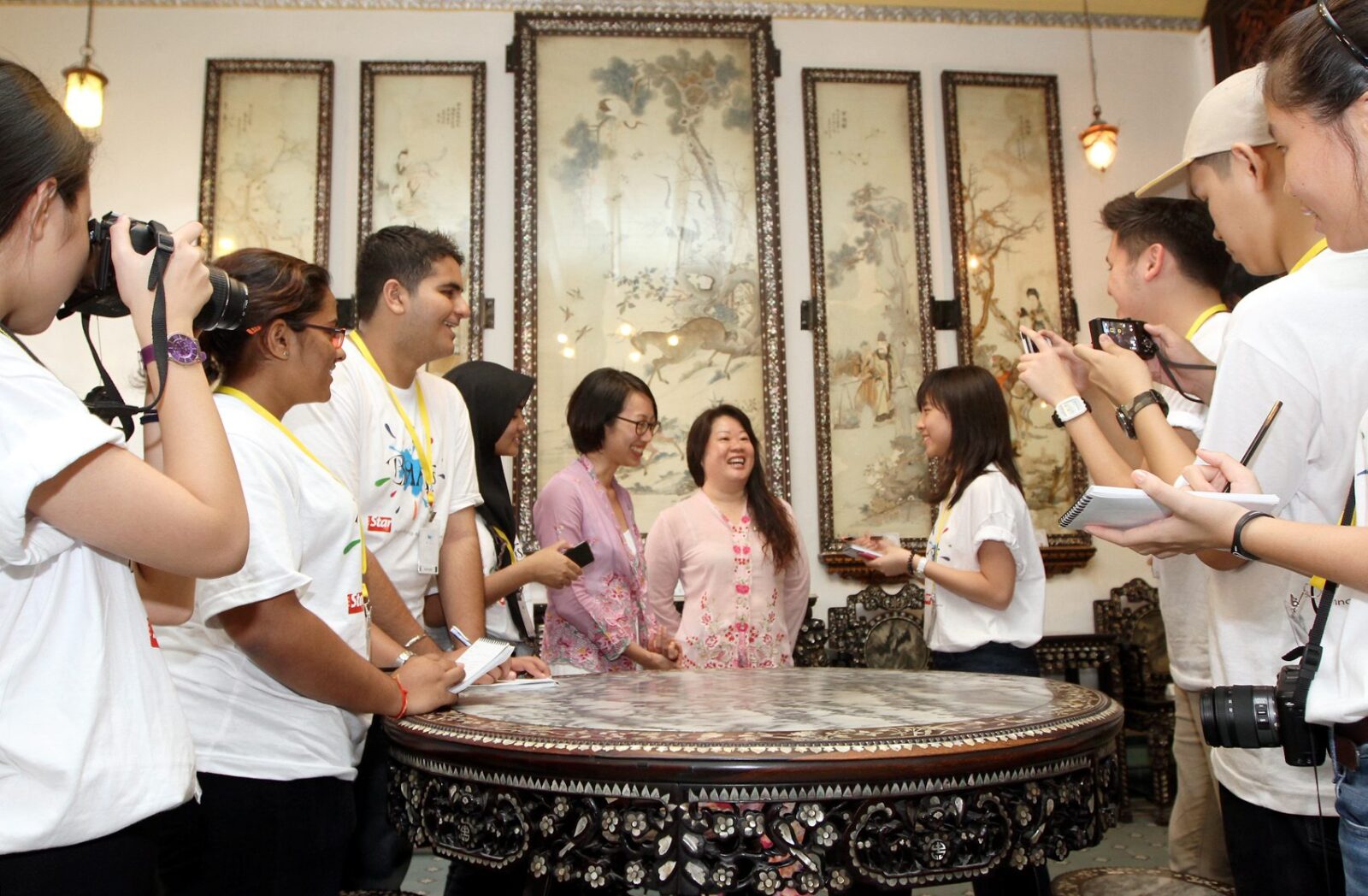
The participants of the BRATs Malacca 2014 camp – the latest recruits to our BRATs family of teen journalists – were all around the historic quarter looking for stories worthy of the great city.
And since these recruits are among some of the best young writers we could find from across the country, it’s no surprise that they did find some incredible stories, which we will be publishing in next Tuesday’s edition of BRATs.
But for now, here’s a picture round-up of what went down over the four days we were in Malacca. Alternatively, you could also look up #BRATsMalacca on Twitter =)
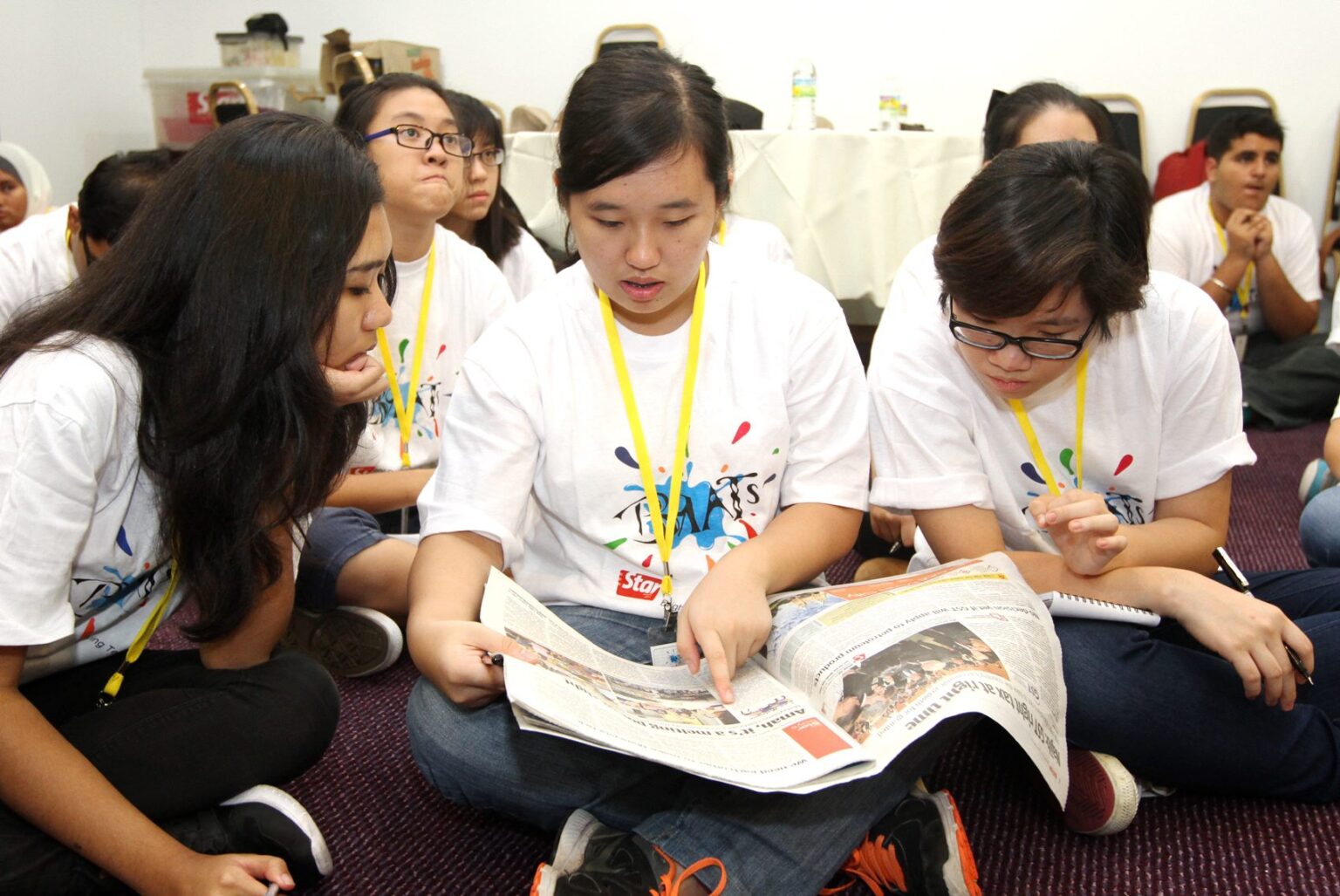
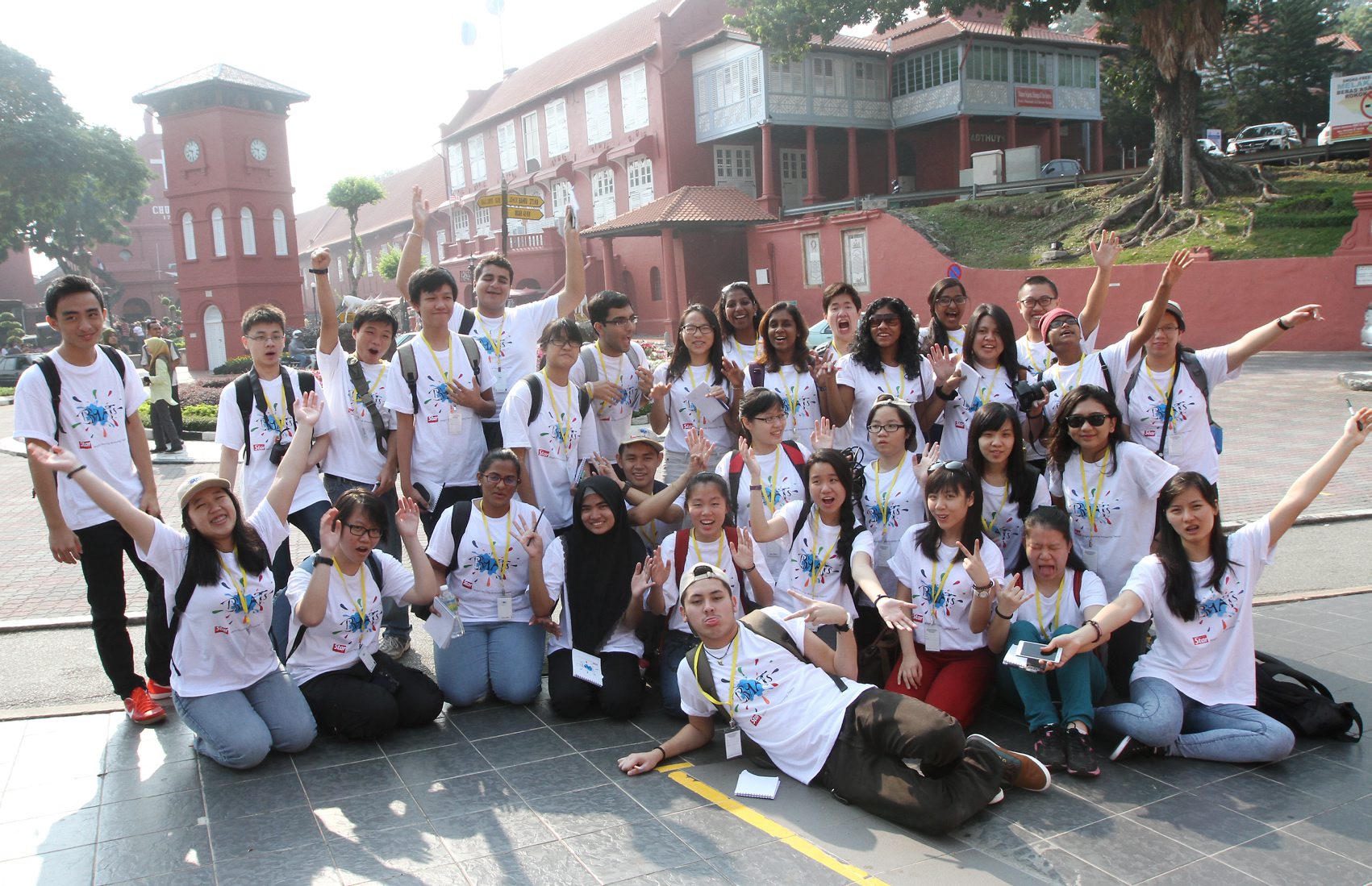
Participants of the camp were selected from across the country. They are pictured here during one of the camp’s many workshops, which included sessions on writing, interviewing, photojournalism and videojournalism, all conducted by R.AGE journalists.
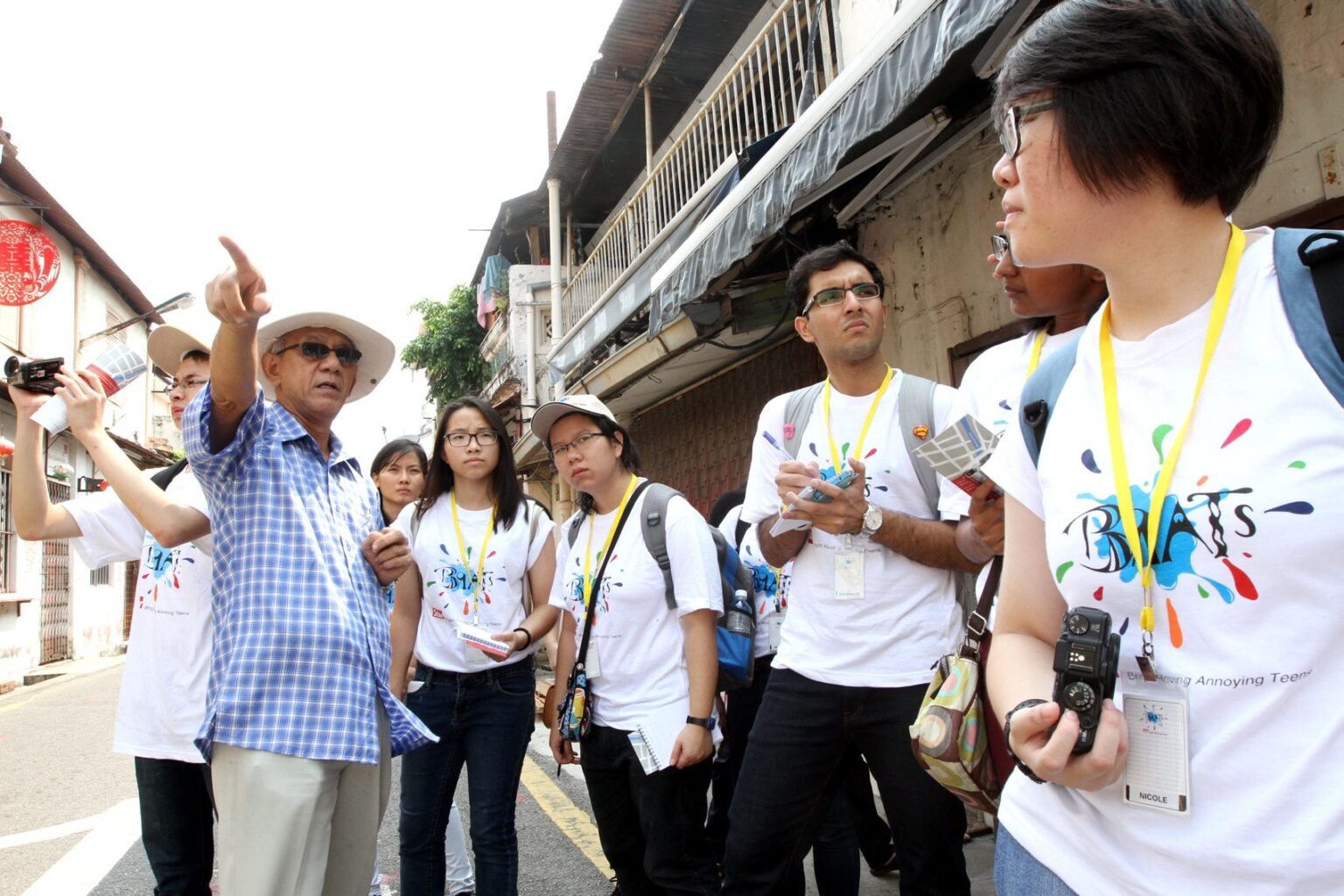
Malacca heritage enthusiast Colin Goh, 68, (second from left) giving the BRATs a tour of the historic Heeran Street, where history lies hidden in every corner.
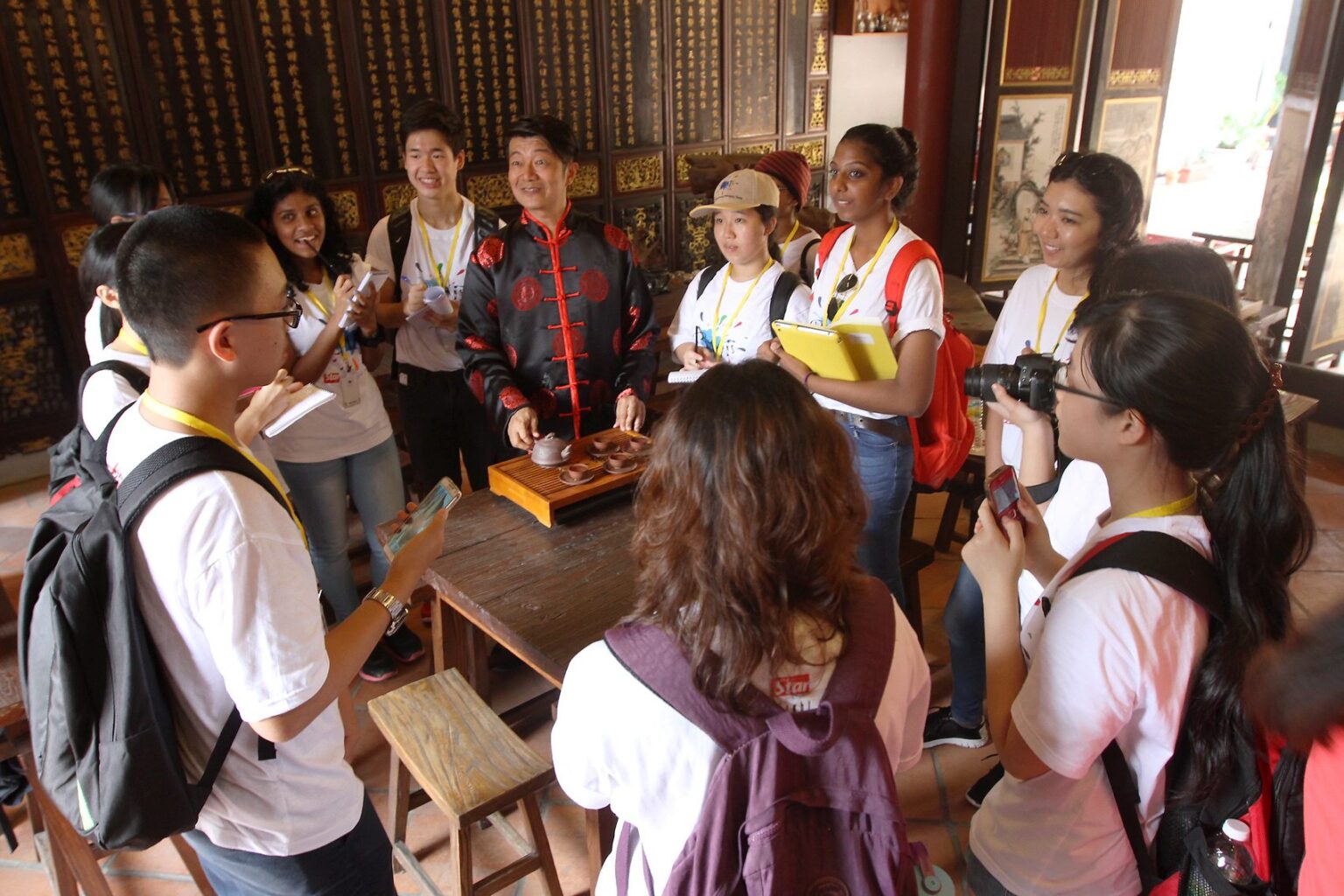
Assistant general manager of the Cheng Ho Cultural Museum, Kok Kee Boon, 54, demonstrating how to prepare Pu-Erh tea at the Cheng Ho Tea House.
Taking over: The participants of the four-day BRATs Malacca 2014 young journalist camp, all raring to go for their field assignments around the Jonker Street area. around 40 of the country’s best young writers are selected for each BRATs camp, held three times a year. — photos by SamueL ONG/The Star
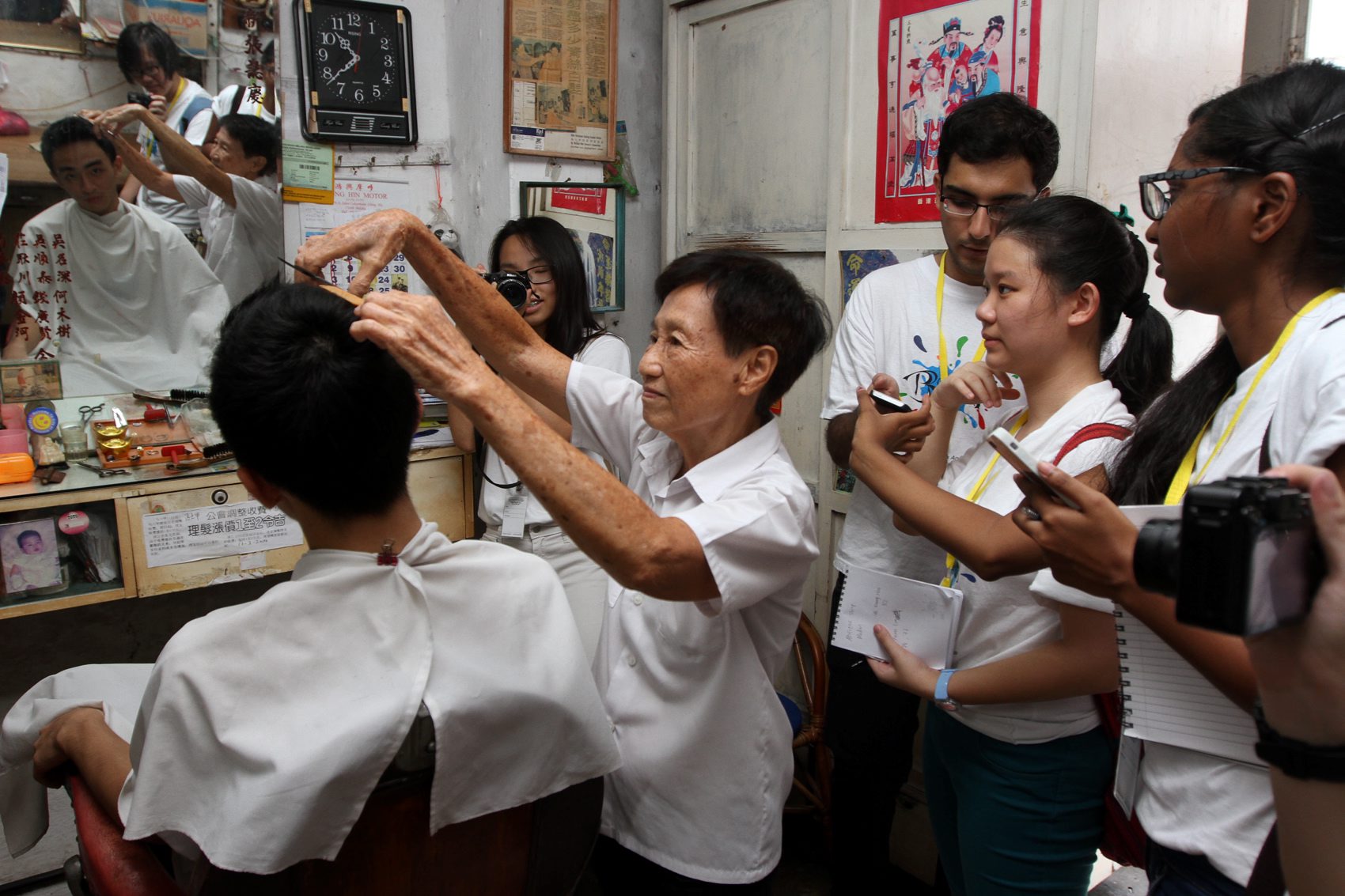
The BRATs discovered Soo Xiu Keng’s barbershop, one of the hidden gems along Jonker Street. Soo, 78,has been running the business alone for 58 years! Her imported barber’s chair hundred is over a years old.
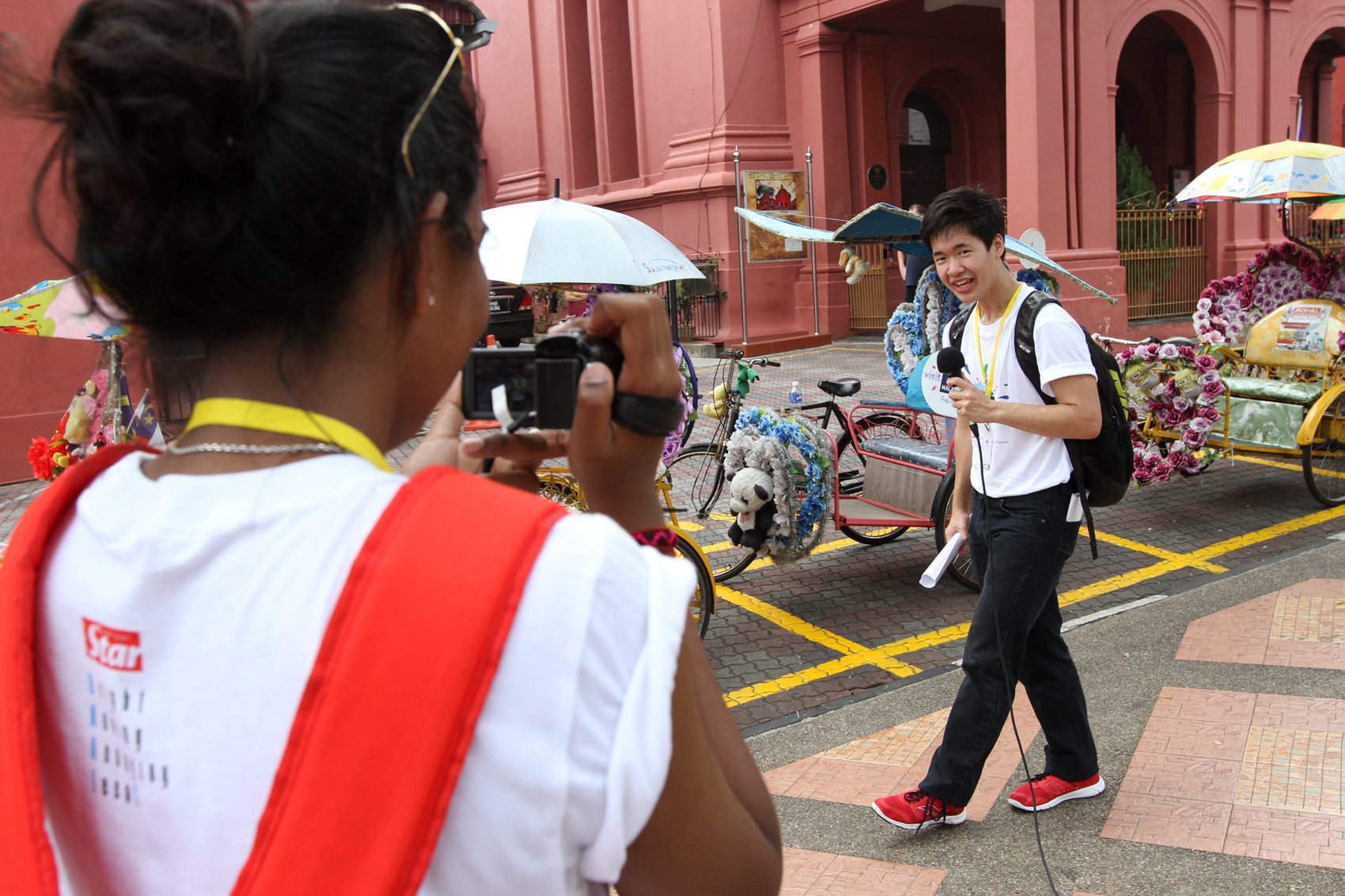
BRATs journalist Shaun Yeoh, 16, doing a standupper near the Stadthuys for a video on the area’s famous trishaws.
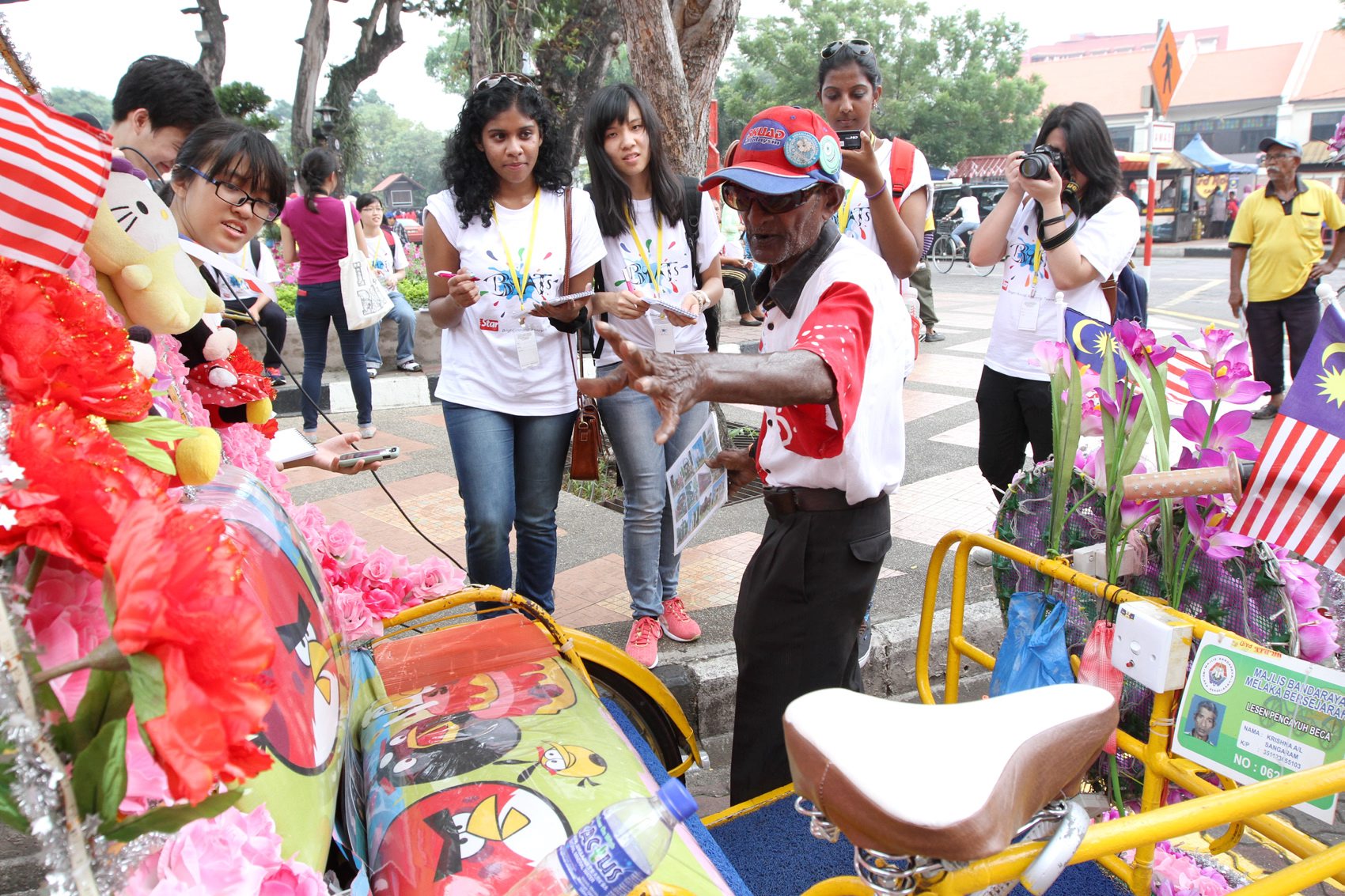
One of the more colourful field assignments the braTs had – an interview with trishaw rider Krishna Sangaram, 79.
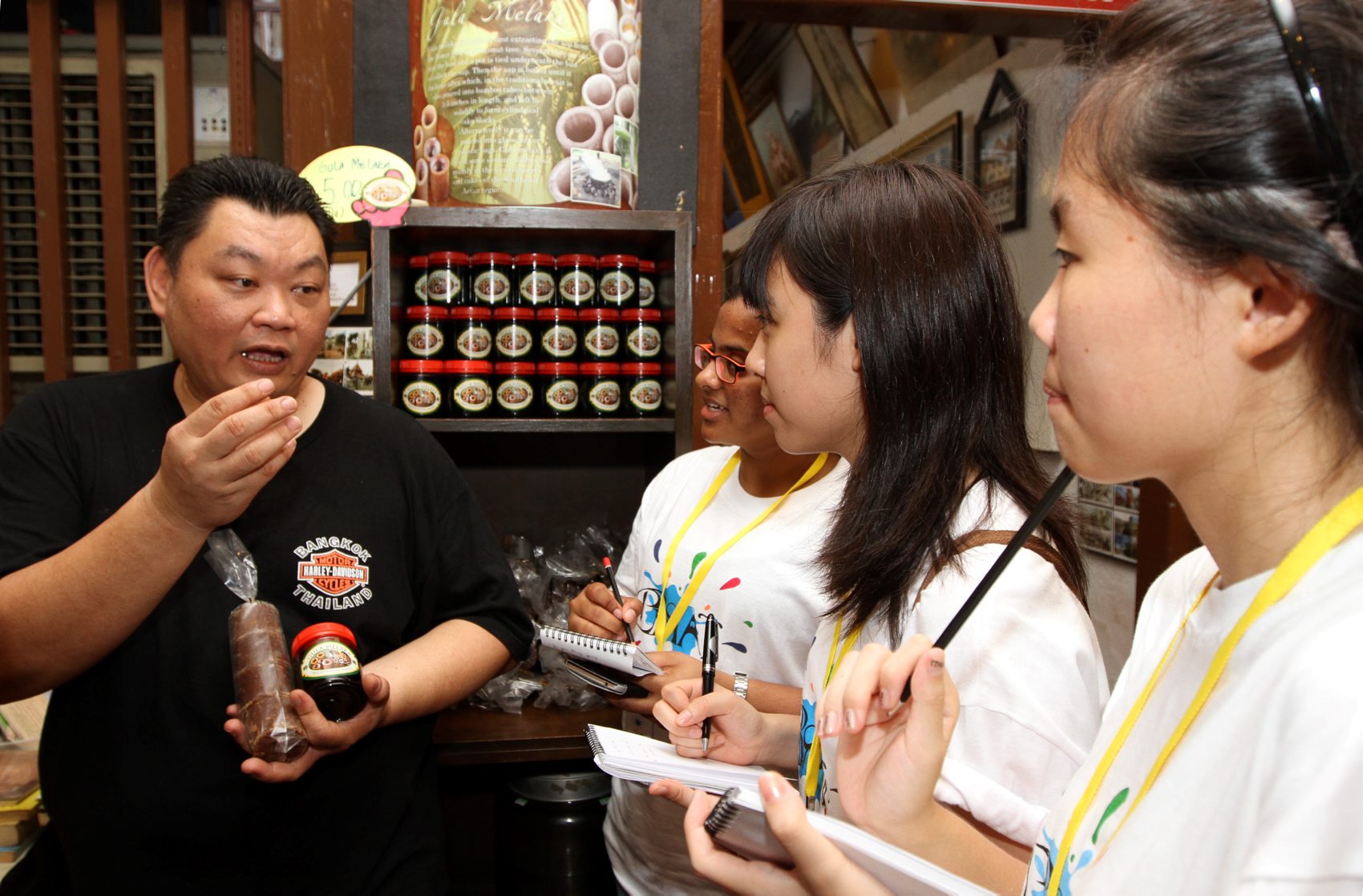
What’s a BRATs camp in Malacca without something about food? Justin Yong (left), co-founder of the popular Jonker 88 restaurant, allowed the BRATs to make some of their own chendol with his famous handmade gula melaka.
Education director-general Datuk Dr Habibah Abdul Rahim speaks on the importance of empathy-based education, the challenges of adapting education policies in light of the Covid-19 situation, and her “dream” education system.
Whenever Allied planes bombed Sandakan town as part of its campaign to liberate Borneo, Daniel Chin Tung Foh’s grandfather would rush the whole family into a bomb shelter behind their house. During its heyday, the British North Borneo Company had developed Sandakan into a major commercial and trading hub for timber, as well as […]
Chua Hock Yong was born in Singapore, but his grandfather moved the family to British North Borneo (now Sabah) to establish their business in 1939 when he was a year old. The Japanese invaded Borneo shortly after, but the family continued living in their shophouse in Gaya Street, Jesselton, now known as Kota Kinabalu. […]
When the Second World War came to Borneo, Pelabiu Akai’s mother moved the family back to their village in Nalapak, Ranau. Although the Japanese were known to be ruthless and brutal conquerors, they left the villagers to their own devices and Pelabiu had a largely uneventful life – until she came across gaunt-looking Allied […]
Jeli Abdullah’s mother died from labour complications after giving birth to him and his twin brother. To his Bisaya tribe, this was seen as a bad omen, and his father did not know what to do with the twins. Fortunately, an Australian missionary couple decided to adopt the newborns. But misfortunate fell upon the […]



Leave a reply